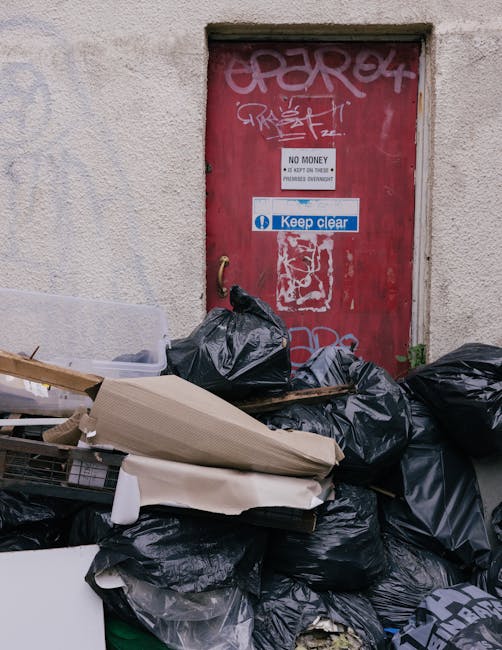
Norwood Road bulky waste collection and rubbish clearance: a practical local guide
If you are dealing with an old sofa, a broken wardrobe, builders' rubble, or a heap of mixed rubbish that has somehow grown legs and taken over the hallway, you are not alone. Norwood Road bulky waste collection and rubbish clearance is the kind of service people usually need when normal bin collections are no longer enough and the job needs doing properly, safely, and without fuss. This guide explains how it works, what to expect, what to avoid, and how to choose the right clearance approach for your space, your schedule, and your budget.
Whether you are emptying a flat, clearing a garden, dealing with post-renovation debris, or just trying to get your home back to normal before the weekend, the right method can save you time and a fair amount of stress. Let's face it, rubbish has a habit of turning a small task into a whole day.
Table of Contents
- Why Norwood Road bulky waste collection and rubbish clearance Matters
- How Norwood Road bulky waste collection and rubbish clearance Works
- Key Benefits and Practical Advantages
- Who This Is For and When It Makes Sense
- Step-by-Step Guidance
- Expert Tips for Better Results
- Common Mistakes to Avoid
- Tools, Resources and Recommendations
- Law, Compliance, Standards, or Best Practice
- Options, Methods, or Comparison Table
- Case Study or Real-World Example
- Practical Checklist
- Conclusion
- Frequently Asked Questions
Why Norwood Road bulky waste collection and rubbish clearance Matters
Bulky waste is a broad term, and that is exactly why people get stuck. A mattress, a fridge, a pile of bagged junk, a dismantled shed, and a couple of broken floorboards all look like "just rubbish" until you try to move them. Then you realise some items are awkward, some are heavy, and some need special handling. That is where proper collection and clearance matters.
On a busy road like Norwood Road, practical clearance is about more than getting rid of clutter. It is about keeping access clear, avoiding damage to shared spaces, and making sure waste is removed in a way that suits the property. If you live in a terrace, flat, or maisonette, space can be tight. The last thing you want is waste sat outside for days because the plan was too optimistic.
There is also the question of responsibility. Waste left in the wrong place can create complaints, safety issues, and messy, avoidable delays. Good rubbish clearance helps you stay organised, keeps things moving, and stops the problem from sitting in the corner of your mind like an unfinished chore that keeps staring back at you.
For many households and small businesses, a simple, well-planned removal is the difference between a smooth day and a miserable one. And if you are comparing options, it helps to understand the wider services around disposal, including professional rubbish removal and skip hire, because the best choice depends on the amount, type, and timing of the waste.
How Norwood Road bulky waste collection and rubbish clearance Works
At a practical level, bulky waste collection usually follows a simple pattern: identify the waste, choose the right removal method, prepare the items, and arrange collection. The details matter, though. A sofa and a pile of mixed renovation waste are not treated the same way, and a cluttered front drive is not the same as a third-floor flat with narrow stairs. Obvious, perhaps, but it is the bit that often gets overlooked.
Most jobs start with a quick assessment. What needs removing? Can it be lifted safely? Is the waste mixed, recyclable, fragile, or potentially restricted? If it is a domestic clear-out, options may include a van-based collection, a skip, or a wait-and-load arrangement. If the job is larger, you may be better served by a vehicle that can take mixed bulky waste in one go rather than several small trips.
The collection team will usually ask about access, parking, and whether items are already outside or still inside the property. That sounds basic, but it can make a major difference. If a sofa needs carrying down stairs, or if there is no easy place for loading, the process needs a bit more planning. Sometimes the clever choice is not the obvious one.
For example, if you have a full room of clearance but nowhere suitable for a skip, a method like wait and load skip hire or grab hire services may be more efficient. If the waste is part of a home declutter, something more focused like house clearance can make life easier.
In some cases, bulky items also link to other clearances. A garage full of old paint tins and broken shelving may fit a garage and loft clearance plan, while a mixed garden project may work better with garden waste removal alongside the disposal of broken outdoor furniture.
Key Benefits and Practical Advantages
The most obvious benefit is time. You do not need to hire a van, find helpers, break everything down yourself, or make endless trips to a disposal site. That alone is a relief for a lot of people. But the real value goes further than convenience.
- Safer lifting and loading: Heavy items, sharp edges, and awkward shapes are handled with the right equipment and approach.
- Less disruption: A focused clearance can often be completed without turning the whole day into a logistics puzzle.
- Better waste sorting: Reusable and recyclable materials can be separated more efficiently when the job is planned properly.
- Cleaner finish: Once the bulky items are gone, it is easier to see what still needs doing. That matters more than people expect.
- Flexibility: You can choose a method that suits a one-off clear-out, a renovation, or an ongoing property management need.
There is also a quieter benefit: peace of mind. A cluttered room or driveway has a way of weighing on you. Once the rubbish is gone, the place feels lighter. You notice the light in the room again, the floor space, the bit of calm that had gone missing.
If you are managing waste from a refurbishment or building project, related services such as builders waste removal, construction waste disposal, and construction waste clearance can make the process much more straightforward.
Who This Is For and When It Makes Sense
This kind of service suits a wide range of people. Homeowners use it when they are decluttering, moving, renovating, or replacing bulky household items. Landlords use it after tenants leave behind furniture or mixed rubbish. Small businesses use it when offices, stockrooms, or common areas need clearing. And tradespeople use it when leftover materials need removing quickly so the next stage of the job can begin.
It also makes sense when the waste is too awkward for regular bin collections and too time-consuming to shift yourself. A worn-out mattress, a heavy fridge, or a pile of mixed renovation debris can look manageable at first. Then you try to move it through a narrow hallway and, well, the plan suddenly feels less charming.
Typical situations include:
- spring clean-outs and pre-move decluttering
- post-renovation rubbish and leftover materials
- garage, loft, shed, and basement clearances
- furniture disposal after upgrades
- end-of-tenancy or landlord property clearance
- office or commercial unit clear-outs
- garden makeovers with old fencing, timber, and outdoor waste
For furniture-specific jobs, it can help to look at mattress and sofa disposal and fridge and appliance removal, especially when the items are too large or cumbersome to move casually.
Step-by-Step Guidance
- Sort the waste by type. Separate bulky household items, mixed rubbish, recyclables, and anything that may need special handling.
- Check access. Measure doorways, stairwells, parking space, and the route items will take. This is where many jobs become easier or harder.
- Identify restrictions early. Items such as fridges, certain electricals, or anything classed as hazardous need proper treatment.
- Choose the right removal method. Compare a van collection, skip-based solution, wait-and-load, or grab-type service depending on space and volume.
- Prepare items in advance. Empty drawers, remove loose contents, and make sure fragile or sharp items are secured.
- Confirm loading details. Tell the provider if items are upstairs, in the rear garden, or buried behind other materials.
- Set a clear collection time. A tidy handover saves time and reduces the chance of a missed slot.
- Ask about recycling and disposal. It is sensible to know what happens next, particularly if you want to reduce waste going to landfill.
A helpful rule of thumb: if you are unsure whether a job needs a skip or a direct collection, start by looking at the volume and the access. A big pile with easy loading often points one way; a smaller pile in a hard-to-reach location may point another. Simple, but effective.
Expert Tips for Better Results
In our experience, the smoothest clearances are the ones where the customer does a little preparation first. Not a huge amount. Just enough to avoid the usual surprises.
- Take a quick photo of the waste pile. It helps with planning and avoids guesswork.
- Keep a clear path to the items. A clear walkway makes lifting safer and quicker.
- Break down what you can safely dismantle. Flat-pack furniture, shelving, and lightweight timber often become much easier to remove once reduced in size.
- Keep reusable items separate. If something can be donated or reused, set it aside before the clearance starts.
- Label anything delicate or restricted. Nobody wants to accidentally mix the wrong items into the load.
- Think about timing. If parking is difficult on busy roads, an early slot can be a lot less stressful.
One thing people often overlook is the finish. Once the waste is gone, do you need the area swept, checked, or emptied of remaining small debris? It is a tiny detail, but it makes the difference between "cleared" and "properly cleared".
For busy households or trade jobs that cannot wait, same day skip hire can be useful, while enclosed and lockable skip hire may suit locations where security or fly-tipping concerns matter.
Common Mistakes to Avoid
The biggest mistake is underestimating the volume. A single sofa, a couple of cabinets, and a pile of bagged rubbish may look harmless, then suddenly there is no room to manoeuvre. People often say, "It looked smaller in the photos," and to be fair, it usually does.
Other common issues include:
- Mixing restricted items with general waste: Some items need a separate handling process, especially appliances or anything potentially hazardous.
- Ignoring access problems: If the collection vehicle cannot get near the property or the items cannot be moved safely, delays are almost guaranteed.
- Leaving the booking too late: If you need the space cleared by a certain date, do not leave it until the last minute.
- Filling a skip with the wrong material: Check what can go in a skip before you start loading, or use a method better suited to mixed waste.
- Not planning around permits or parking: On some roads, this can be the difference between a smooth collection and a headache.
Another subtle mistake is choosing a solution purely on price and not on suitability. Cheaper can be fine, obviously. But if the method does not fit the property, the job often becomes more expensive in time, stress, or rebooking. That is not great value, no matter how tidy the invoice looks.
Tools, Resources and Recommendations
You do not need a warehouse full of kit to organise bulky waste removal, but a few practical tools make the process easier. A tape measure, gloves, strong bags, and a phone camera are often enough to get started. If you are sorting mixed items, labels or sticky notes can help you group what stays, what goes, and what needs special attention.
If you want a more structured approach, these pages are useful starting points within the same site:
- skip sizes and prices for understanding capacity and budgeting
- what can go in a skip for item suitability
- payment and security if you want reassurance before booking
- recycling and sustainability for a better sense of responsible disposal
- pricing and quotes when you are comparing options
If you are booking around a larger renovation or clearance programme, services like man and van and site clearance can be useful depending on the scale of the job. For commercial premises, commercial skip hire is often the more practical route.
Law, Compliance, Standards, or Best Practice
Waste removal in the UK comes with responsibilities, even for everyday domestic jobs. You do not need to become a legal expert, but it does help to use a provider that handles waste lawfully, keeps records properly, and disposes of items through the right channels. In plain English: don't hand your rubbish to someone who seems a bit vague about where it is going.
Best practice usually includes:
- sorting waste responsibly before collection where practical
- keeping hazardous items separate from general rubbish
- avoiding overload or unsafe stacking
- making sure access arrangements are clear and safe
- using documented, traceable disposal routes where appropriate
If confidential material is involved, use a specific secure service rather than mixing it into general rubbish. That is where confidential shredding becomes relevant for businesses or home offices clearing documents. Similarly, if the waste includes items that could pose safety issues, it is better to treat them carefully and ask for the right route, including hazardous waste disposal where needed.
For some jobs, permits or controlled placement may be relevant, especially where a skip has to sit on a public road. In those cases, skip hire permits and skip permits may need to be considered. Always check the arrangement before you commit to a booking.
Options, Methods, or Comparison Table
There is no single best method for every bulky waste job. The right answer depends on access, time pressure, waste type, and volume. Here is a practical comparison.
| Method | Best for | Strengths | Watch-outs |
|---|---|---|---|
| Rubbish removal | Household bulky items, mixed rubbish, quick clear-outs | Fast, simple, little on-site disruption | May be less suitable for larger ongoing projects |
| Skip hire | Renovations, ongoing waste generation, larger volumes | Flexible, convenient if you are filling gradually | Needs space and sometimes a permit |
| Wait and load | Short-stay collections where space is tight | No long on-street storage, efficient for limited access | Requires the waste to be ready on arrival |
| Grab hire | Bulkier mixed waste and heavier loads | Good for loose waste and larger volumes | Needs enough access for the vehicle |
| Man and van | Smaller, flexible clearances and mixed items | Handy for awkward items and targeted removals | Not always ideal for large builders' waste |
If you are weighing up options, it is often worth checking grab lorry hire and man and van against your access and the amount of waste. For a straightforward domestic job, domestic skip hire may be the simplest answer.
Case Study or Real-World Example
A typical Norwood Road clearance might involve a family preparing to redecorate after years of putting off the obvious bits. There is an old three-seater sofa in the front room, a broken chest of drawers in the hallway, a mattress that should probably have left the house last winter, and a stack of bagged odds and ends from the loft. Not glamorous. Very normal.
At first glance, it seems like a single van load. Then the loft hatch is narrow, the mattress will not bend, and the drawers are heavier than they look because, of course, they are full of random things nobody remembers owning. The right approach is to sort the items, separate anything recyclable or restricted, and use a collection method that fits access and timing.
In a situation like that, the best result often comes from combining removal methods. Bulky furniture can be cleared with a focused rubbish collection, while the remainder might go into a skip or a follow-up clearance. If the home has additional storage spaces, garage and loft clearance can help tidy the problem at its source rather than just shifting it around.
What tends to matter most is not dramatic speed, but sensible sequencing. Clear the biggest items first, keep the access route open, and avoid turning the whole house into a temporary warehouse. Small wins. They add up quickly.
Practical Checklist
- Identify exactly what needs removing.
- Separate general rubbish, furniture, appliances, and anything potentially hazardous.
- Measure access routes and check parking space.
- Take photos of the waste area for planning.
- Decide whether you need collection, skip hire, wait and load, or grab hire.
- Check whether any items need special handling or restricted disposal.
- Prepare the items so they are easy and safe to load.
- Confirm the timing and make sure someone is available if needed.
- Ask about recycling, disposal, and any permit issues in advance.
- Leave the area clear enough for safe lifting and removal.
That checklist sounds basic, but basic is good. It stops most headaches before they start.
Get a free quote today and see how much you can save.
Conclusion
Norwood Road bulky waste collection and rubbish clearance is really about making a messy situation feel manageable. Once you understand the options, the whole thing becomes much less intimidating. You do not need to guess your way through it or keep piling things in the corner until the house feels smaller than it is.
The best outcome comes from matching the waste, the access, and the timing to the right removal method. Sometimes that means a single pickup. Sometimes it means skip hire. Sometimes it means a more tailored solution for a tight street, a busy household, or a commercial premises. The point is to choose sensibly, not hastily.
If you are ready to clear the clutter and get your space back, start with a proper plan, ask the right questions, and go with the method that makes the job feel lighter from the start. A tidy room has a way of giving you a bit of your day back, and that is worth a lot more than people think.
Frequently Asked Questions
What counts as bulky waste on Norwood Road?
Bulky waste usually means items that are too large, heavy, or awkward for normal household bin collections. That often includes sofas, mattresses, wardrobes, white goods, broken furniture, and mixed clear-out waste. If you need help with larger household items, mattress and sofa disposal and fridge and appliance removal are useful reference points.
Is rubbish clearance better than skip hire?
It depends on the job. Rubbish clearance is often better for one-off collections, awkward items, or properties with limited space. Skip hire can be better if you are generating waste over several days or doing a renovation. If you are unsure, compare the space you have, how quickly the waste will be ready, and whether you need flexibility.
Can I put mixed household rubbish in one collection?
Usually yes, provided the waste does not include restricted or hazardous items. Mixed loads are common for clear-outs, but it is still sensible to keep electrical items, sharp objects, and specialist waste separate where possible. If you are using a skip, it is worth checking what can go in a skip before loading.
Do I need a permit for bulky waste collection?
Not always. Permits are more relevant when a skip or container has to be placed on public land or a road. Direct collection methods often avoid that issue. If your job may involve roadside placement, it is smart to look at skip permits and skip hire permits early on.
How fast can a bulky waste collection be arranged?
That depends on availability, the type of waste, and access. Simple jobs can sometimes be arranged quickly, while more complex clearances may need a bit of planning. If speed is important, a same-day option may be worth asking about, especially for urgent clear-outs.
What if I live in a flat or have no driveway?
Then access becomes the main consideration. A service that can load quickly and work around limited parking is usually the better choice. Wait-and-load, man-and-van, or a short loading window may suit tighter residential streets better than a long-stay skip.
Can bulky waste be recycled?
Often, yes. Many bulky items contain reusable metal, wood, plastics, or other recyclable materials. The exact breakdown depends on what the item is made of and how it is sorted. Choosing a provider with a clear approach to recycling is a good sign. You can also read more about recycling and sustainability.
Are fridges and freezers treated differently?
Yes. Fridges, freezers, and similar appliances may need specialist handling because of the materials and components inside them. They should not just be left with normal household rubbish. For that reason, fridge and appliance removal is the safer option.
What is the best option for a garage or loft full of junk?
That usually depends on how much is there and how easy it is to move. For a mixed storage clear-out, garage and loft clearance is a practical starting point. If the space is packed and access is awkward, a tailored rubbish removal approach can be the least stressful route.
How do I avoid fly-tipping or illegal disposal risks?
Use a reputable, traceable waste service, and do not hand waste to anyone who cannot explain where it will go. Ask sensible questions about disposal, recycling, and paperwork if needed. If a provider seems vague, that is usually your cue to walk away. Trust your gut on that one.
Is same-day collection possible for urgent rubbish clearance?
In some cases, yes. It depends on demand, access, and the type of waste. Same-day services are most useful when you need the space cleared quickly before a move, inspection, delivery, or building work. A service such as same day skip hire may also help if a container-based solution is a better fit.
How do I get a quote without wasting time?
Be specific. Share photos, tell the provider what needs removing, note whether the waste is upstairs or outside, and mention any access issues. The more precise you are, the more accurate the quote is likely to be. If you want to compare options, pricing and quotes is the natural place to start.
Can businesses use Norwood Road bulky waste collection too?
Absolutely. Offices, shops, landlords, and trades all generate bulky waste at different times. For business premises, it is often worth looking at commercial skip hire or office clearance depending on the type of waste and how much needs removing.
What should I do before the collection team arrives?
Clear a path, separate restricted items, check access, and make sure the waste is ready to go. A few minutes of preparation can save a lot of back-and-forth later. And honestly, it makes the whole thing feel far less chaotic when the vehicle turns up.