Gipsy Hill Skip Hire — Recycling and Sustainability
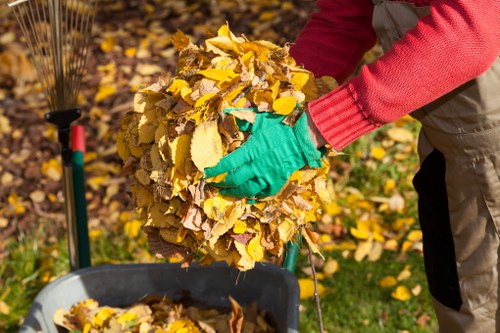 Gipsy Hill Skip Hire is committed to leading the way in eco-friendly waste disposal and creating a truly sustainable rubbish area across south London. Our approach to Gipsy Hill waste disposal combines pragmatic on-site segregation, partnerships with local reuse charities and licensed transfer stations, and a fleet transition to low-carbon vans. We view every skip as an opportunity to recover materials, reduce landfill and support the circular economy in the borough.
Across our operations we emphasise waste separation at source aligned with borough schemes. Many London boroughs support separate streams for paper and card, glass, metals, green waste, food and construction inert rubble; our crew follow those principles when managing domestic and commercial skips. By respecting local recycling protocols we make it easier for borough-level material recovery facilities to process loads efficiently, increasing final recycling rates.
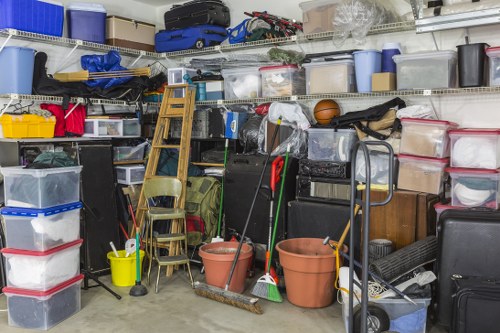 Our formal recycling percentage target is ambitious and measurable: an immediate operational target of 80% diversion of skip contents from landfill within 24 months, with a long-term goal of reaching 90% recycling and reuse by 2030. These figures are not just aspirational — they are the backbone of our day-to-day decisions, from how we load and segregate skips onsite to the contracts we sign with transfer stations and MRFs (material recovery facilities).
Our Sustainable Operations and Low-Carbon Fleet
We are modernising the Gipsy Hill skip hire fleet with a mix of fully electric vans and Euro 6-engine low-emission vehicles. Route optimisation software reduces mileage and idling time, cutting carbon emissions and noise in residential areas. By combining a greener fleet with efficient logistics we lower the carbon footprint of every job: a practical move for an eco-friendly waste disposal area.
Local transfer stations are central to our strategy. We use licensed transfer centres and MRFs in south London that accept segregated loads and have contracts for specific streams such as wood recycling, masonry crushing for reuse as aggregates, and secure WEEE (electrical) recycling. Where appropriate we deliver separated materials directly to specialist processors to keep contamination low and recovery rates high.
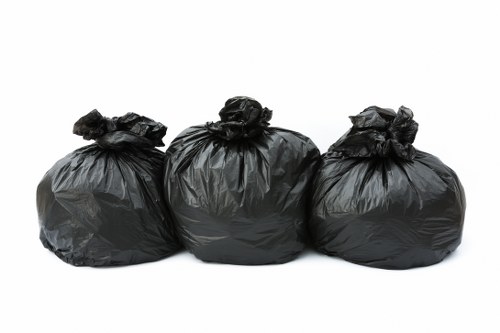 Partnerships with charities and social enterprises form another pillar of our sustainability work. Items suitable for reuse — furniture, household goods, small electricals, textiles — are diverted to local charities and community projects wherever possible. These collaborations create social value: supporting refurbishment projects, helping people in need, and cutting waste by prioritising reuse over disposal.
We also run dedicated recycling streams tailored to typical skip contents. Common activities in our service area include:
- Hard mixed demolition waste processed for salvage and crushing into secondary aggregates
- Wood and timber separated for chipping and energy recovery or reuse
- Metals sorted and baled for scrap recycling
- Hazardous items (batteries, solvents, asbestos) removed and handled via licensed hazardous waste routes
- WEEE and textiles diverted to specialist recyclers and local reuse charities
Our on-site teams are trained to identify materials that can be salvaged and to minimise contamination. Less contamination directly improves the yield from MRFs, increasing the percentage of material truly recycled and reducing costs for clients and councils alike.
We comply with Environment Agency regulations and provide transparent waste transfer documentation. Every load is tracked, with clear waste transfer notes and reports on final destination of materials. Regular audits of our waste routes and partnerships ensure we maintain high environmental standards and keep progressing toward our recycling targets.
Community, Transparency and Continuous Improvement
Transparency is central to our sustainable rubbish area promise. We publish regular internal reports on diversion rates and maintain open lines with borough waste officers and transfer stations. Data-driven improvement helps us adjust practices: where a particular material stream is underperforming we act swiftly to change destinations, improve sorting protocols or invest in crew training.
 Our commitment to the circular economy means we look beyond collection: we work with remanufacturers and reuse enterprises to extend the life of materials. Concrete and brick are crushed for reuse, timbers are reclaimed for joinery projects, and metals are returned to foundries. These steps reduce demand for virgin materials and help local contractors access recycled products.
 In short, Gipsy Hill Skip Hire is dedicated to building an eco-friendly waste disposal area that benefits the local community, the boroughs we serve and the environment. Through rigorous recycling percentage targets, trusted local transfer stations, active partnerships with charities and a low-carbon fleet, we strive to make sustainable rubbish collection and disposal the norm rather than the exception. Our ongoing pledge is to increase recovery rates, reduce carbon emissions and create positive social and environmental outcomes across the area.